

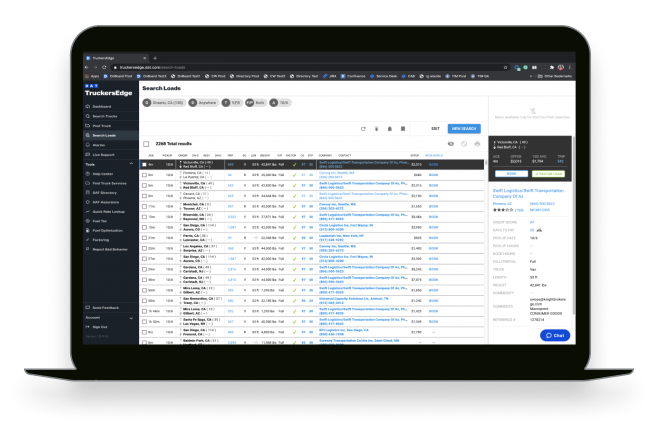
The Ultimate Guide to Load Boards: 10 Tips for Maximizing Efficiency
Load boards have become essential for shippers, freight brokers, and carriers. They offer a simple and effective way to connect loads with carriers and ensure a smooth transportation process. In this article, you’ll explore 10 tips to help you make the most out of the board for loads and maximize efficiency.
Table of Contents
1. Choose the Right Load Board for Your Needs
Various boards for loads are available, each with unique features and offerings. Researching and comparing boards for loads is crucial before committing to one. Evaluate their pricing, user interface, customer support, and the size of their freight network to ensure you’re making the best choice for your business.
2. Update Your Information Regularly
To maintain accuracy and credibility, make sure to update your company’s information on the load board frequently. This includes contact details, equipment specifications, and preferred routes. Keeping your profile up-to-date will help you attract the right business partners and streamline the entire process.
3. Utilize Advanced Search Features
Most boards for loads offer advanced search options that enable you to filter loads based on criteria such as location, equipment type, and weight. Utilizing these filters saves time and quickly identifies the best loads that match your specific needs and preferences.
4. Plan Your Routes Efficiently
To maximize efficiency, plan your routes carefully and take advantage of backhauls. Doing so can reduce deadhead miles and increase your overall revenue. Consider using route planning software or a dedicated transportation management system (TMS) to optimise your routing.
5. Build Relationships with Shippers and Brokers
Establishing strong relationships with shippers and brokers can lead to more business opportunities and, ultimately, higher profits. Boards for loads can be a starting point for these connections, but following up with personal communication is essential to build trust and rapport.
6. Monitor Load Board Trends
Stay up-to-date with load board trends, such as fluctuations in freight rates and availability. Keeping an eye on these trends will help you decide which loads to pursue and when to adjust your rates accordingly.
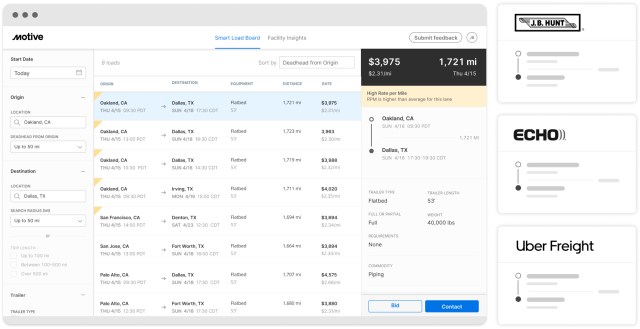
7. Leverage Free Load Boards
While paid boards for loads offer more features and a larger network, free boards for loads can still provide valuable opportunities for your business. As a carrier or shipper, don’t shy away from leveraging free resources to find the perfect match for your freight needs. A quote from Flock Freight’s leading freight shipping company website reinforces this idea: “It is one of the most known free load boards with prices.”
8. Utilize Mobile Apps
Many boards for loads offer mobile apps, allowing you to access loads, communicate with shippers and brokers, and update your information. Using these apps lets you stay connected and responsive, even when you’re away from your computer.
9. Prioritize Communication
Clear and timely communication is key to successful freight partnerships. Respond promptly to inquiries from shippers and brokers, and keep them informed about any changes or delays. By prioritizing communication, you’ll build trust and foster long-lasting business relationships.
10. Track Your Load Board Performance
Finally, tracking your performance on boards for loads is crucial by monitoring metrics such as load acceptance rate, on-time delivery rate, and profitability. By analyzing these metrics, you can identify areas for improvement and make strategic decisions to boost your efficiency and profits.
Select the right platform to maximize load board efficiency, maintain up-to-date information, foster strong relationships, and stay adaptable. Following these tips will enhance your business performance and pave the way to success.