


Well, you might not know this, but most of the objects you touch daily—your phone case, that reusable water bottle, even the tiny containers in your kitchen—likely started life in a plastic mold factory. Honestly, I was surprised to learn just how intricate the process is, and how much craftsmanship goes into something that seems so ordinary. There’s a kind of hidden artistry in making molds that I’d never appreciated before.
I remember visiting a local facility a few months ago. At first glance, it looked like a scene straight out of a sci-fi movie: machines humming, robotic arms whirring, and engineers walking around with tablets, checking specs. But as I got closer, I realized it’s also incredibly human. Every step, every adjustment, relies on a person’s skill, judgment, and sometimes just intuition.
The Basics: What a Plastic Mold Factory Really Does
For anyone unfamiliar, a plastic mold factory is where raw materials—usually granulated plastics—are transformed into precise, reusable molds. These molds then produce everything from car parts to household items. You might think it’s all about mass production, but there’s a surprising amount of customization. Engineers often tweak designs to ensure the final product has the perfect texture, flexibility, and durability.
What struck me most was how much planning goes into the “invisible” part of products—the mold itself. Most people only see the finished item, not the countless hours spent designing, testing, and perfecting the mold. And let me tell you, one tiny miscalculation in the mold can ruin thousands of products. That’s why precision is everything here.
Technology Meets Craftsmanship
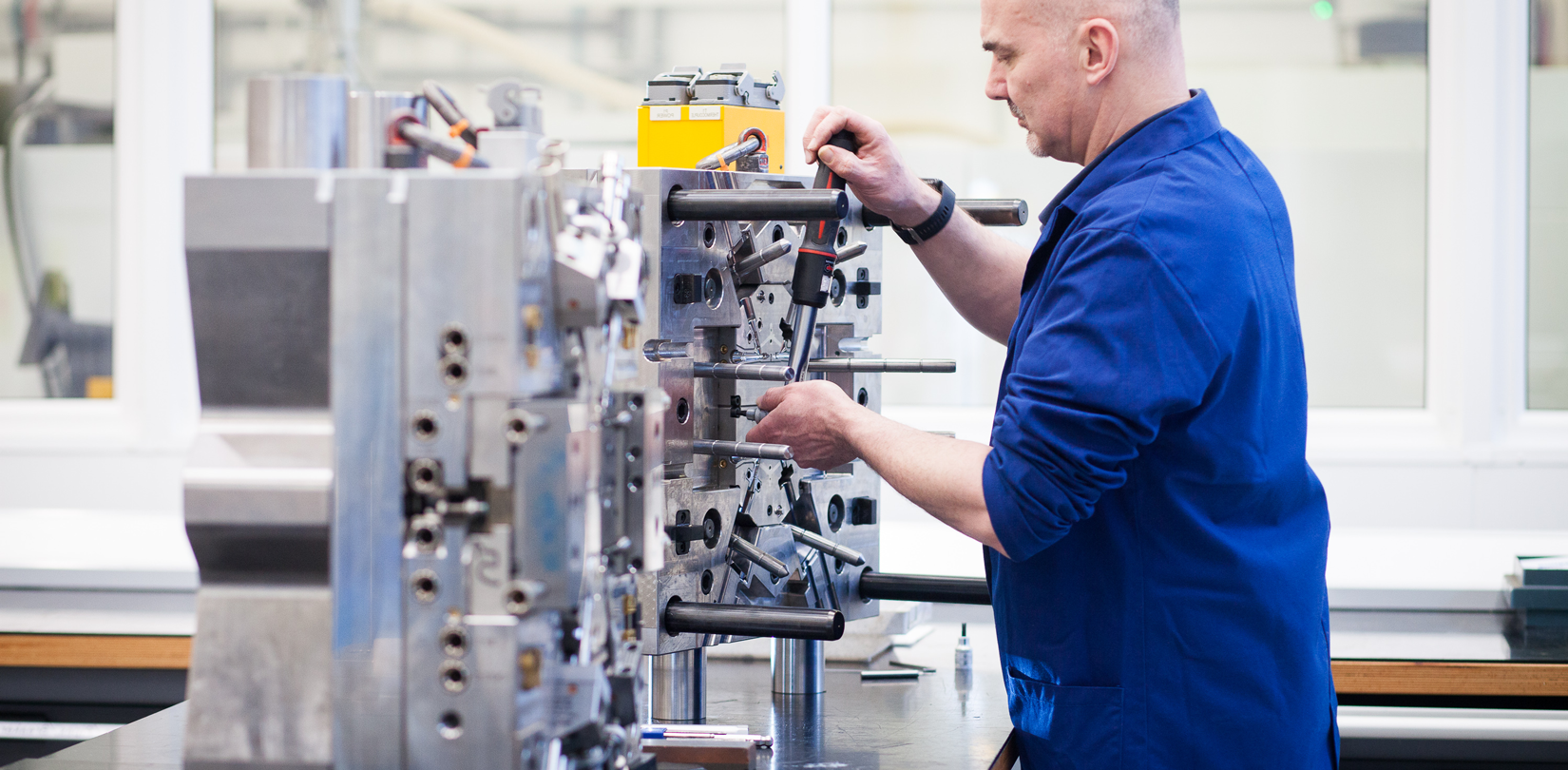
While machines do a lot of the heavy lifting, human expertise is irreplaceable. I watched a technician adjusting a mold, explaining how even the smallest groove can impact the way a product comes out of the mold. It reminded me a bit of baking—you know how the shape of a cookie cutter can change the cookie’s texture? It’s similar, just on a more complex scale and with high-tech equipment.
The factories I visited were using a mix of CNC machining, 3D printing, and traditional hand-finishing. Honestly, I didn’t expect such a balance of old-school craftsmanship and modern technology. It’s like they’re preserving an artisanal skill while pushing the limits of precision engineering.
Why Choosing the Right Plastic Mold Factory Matters
If you’re a business owner looking to produce custom plastic products, picking the right plastic mold factory is crucial. Not all factories are created equal. Some specialize in high-volume production with minimal flexibility, while others focus on bespoke, highly detailed molds. I spoke to a few industry insiders who said that a good factory doesn’t just deliver a mold—they partner with you throughout the design and production process.
For example, one company I visited worked closely with clients from concept sketches to final production, often suggesting material changes to improve durability or reduce cost. That kind of collaboration is invaluable if you want your product to stand out in a crowded market.
Environmental Considerations and Sustainability
Now, I have to admit, I was a bit skeptical about sustainability in plastic mold factories at first. But many modern facilities are taking serious steps toward greener operations. Recyclable materials, energy-efficient machinery, and waste reduction programs are becoming standard. Some factories even recover scrap plastic and reprocess it for new molds, which I thought was a clever way to reduce environmental impact without compromising quality.
It made me think: every time we use plastic responsibly, it’s not just about disposal—it’s also about supporting manufacturers who innovate responsibly. That small decision can ripple across the supply chain.
A Peek Into Daily Life at the Factory
Walking through a factory, you notice little things that tell you a lot about the culture. There’s a mix of focused concentration and playful energy. Engineers debate over measurements, operators joke about last-minute tweaks, and quality control staff inspect products with magnifying glasses. It’s precise, yes, but there’s also a human rhythm to it.
I even had the chance to try a hand at a simple molding process (with supervision, of course). It was mesmerizing to see a molten plastic stream flow into the mold, cool, and solidify into a perfect shape. That’s when it hit me: a plastic mold factory isn’t just a place of production—it’s a place where ideas take physical form.
Tips for Businesses or Hobbyists Considering a Plastic Mold Factory
If you’re thinking about getting involved, whether for a startup or a hobby project, here are a few practical tips I picked up:
- Do your research on materials. Different plastics behave very differently in molds. Knowing the material properties can save time and money.
- Look for a factory that offers collaboration. A team that’s willing to iterate designs with you is worth their weight in gold.
- Think about scalability. Your initial mold is important, but consider whether the factory can handle growth if your product takes off.
- Check sustainability practices. It’s not just ethical—it’s becoming a consumer expectation.
Interestingly, some of the best tips I received weren’t from formal meetings—they came from casual conversations with factory staff, who were more than happy to share insights about what works and what doesn’t.
Reflections on an Industry Often Overlooked
Visiting a plastic mold factory gave me a new appreciation for the objects I usually take for granted. It also made me think about how much expertise goes into creating things we see as ordinary. There’s something quietly impressive about an industry that combines creativity, precision, and practicality so seamlessly.
I left with a sense of respect for the people who work there—engineers, technicians, and operators who ensure that each mold is perfect. They’re not just making plastic—they’re shaping the very items that fill our daily lives. And in a way, they’re shaping our experiences too.
If you ever have the chance, I’d encourage you to visit a facility yourself or at least dive deeper into how products are made. Even a simple curiosity about a plastic mold factory can open your eyes to the intersection of technology, craftsmanship, and human ingenuity.
Final Thoughts
Honestly, I never expected to leave a factory tour feeling reflective. But here I am, thinking about molds, molten plastic, and tiny grooves that can make or break a product. It’s fascinating to realize how much care and precision go into things that often seem mundane.
So next time you hold a water bottle, snap on a phone case, or pop a container lid into place, remember there’s a story behind it—crafted in a plastic mold factory, by people who know how to turn a simple idea into a tangible, reliable object. It’s a mix of science, skill, and a little bit of art, and it’s everywhere around us if we just pay attention.
If you want to learn more about working with a plastic mold factory, I found some great resources that explain the process and help guide first-time clients—definitely worth a look if you’re curious.