



Building Information Modeling (BIM) has emerged as a game changer in the rapidly evolving world of construction. BIM involves a digitalized model of a building’s design and functions that integrate data and information from many construction stakeholders.
Construction workers may use BIM to expedite processes, increase cooperation, eliminate mistakes, and improve overall project results. If you’re new to BIM, this thorough guide will demonstrate how you can harness the revolutionary potential of this technology.
Understanding BIM
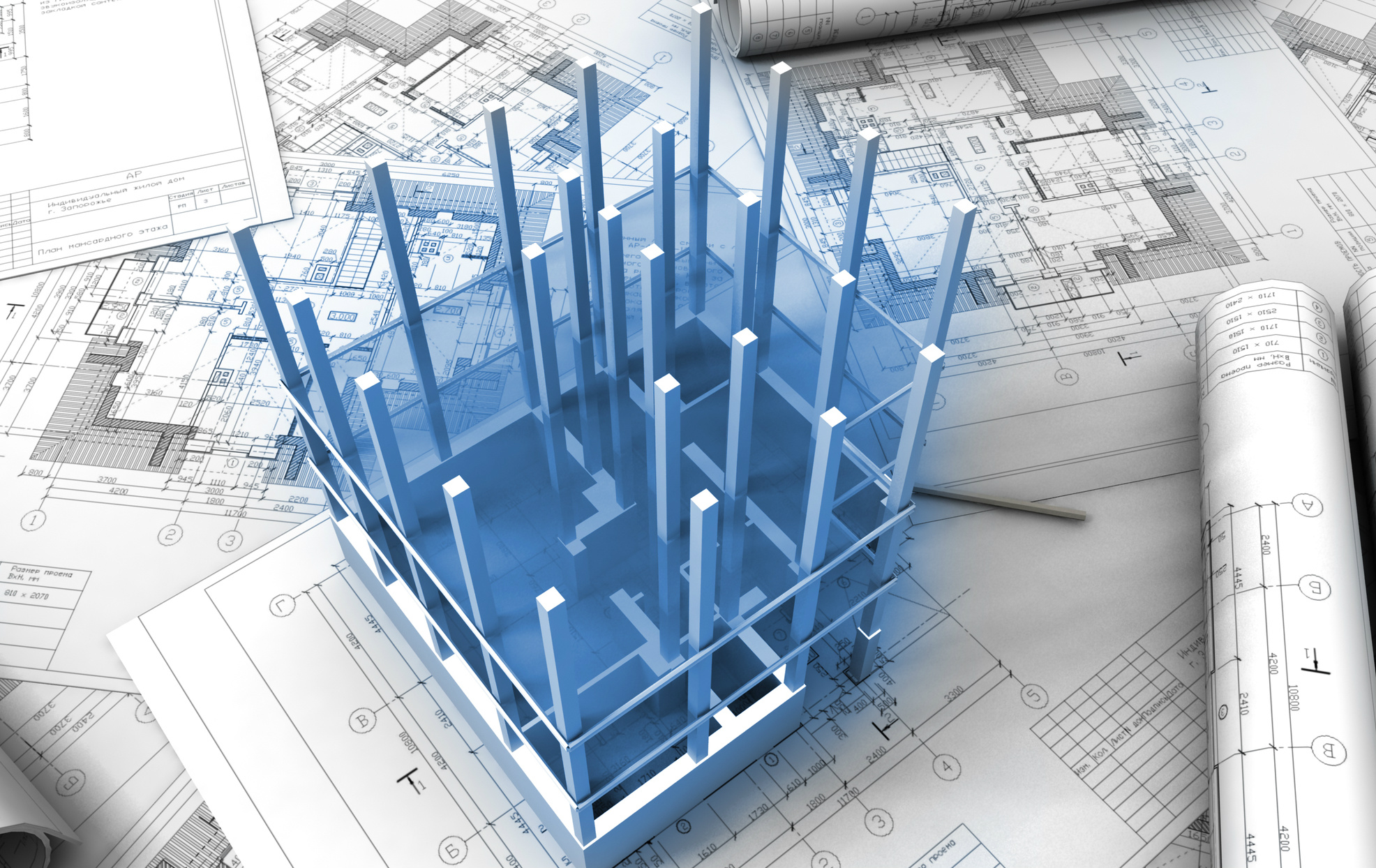
BIM is a technique for creating and managing a 3D model of a building throughout its lifespan. It entails the use of intelligent objects that store information on the components, materials, and characteristics of the structure.
Stakeholders like contractors, engineers, architects and landowners can access and share this information.
The advantages of BIM
BIM provides various benefits to building professionals:
- Improved collaboration: BIM allows project team members to collaborate and communicate in real time, eliminating disagreements and speeding up decision-making.
- Improved visualization: BIM enables accurate 3D renderings, allowing stakeholders to better understand and comprehend the project before construction begins.
- Clash detection: BIM enables clash detection, which identifies conflicts between different building systems early in the design process, minimizing expensive rework during construction.
- Improved project coordination: BIM increases cooperation across disciplines, resulting in greater integration and fewer coordination mistakes on the job site.
- Accurate quantity takeoffs: As BIM models include extensive information about building components, accurate quantity takeoffs, and cost management project construction projections are easily achievable.
- Effective facility management: BIM models may be used for facility management, offering a plethora of information for upkeep, repairs, and restorations throughout the lifespan of the structure.
BIM implementation
Here’s how BIM is implemented:
Create a BIM Execution Plan (BEP)
Before beginning a BIM project, it is critical to create a BIM execution plan. This plan describes the project’s BIM needs, responsibilities, and standards, ensuring that all stakeholders are on the same page and understand their respective tasks and outputs. The BEP should consider the following:
- BIM aims and objectives
- Project team member roles and duties
- Level of development (LOD) criteria for the BIM model at each project stage
- Interoperability and BIM file format requirements
- Collaboration and coordination processes
- Protocols for the transfer of data and information management
Selecting the best BIM software
The right BIM software must be chosen for a successful installation. Consider things like usability, compatibility with other applications, available features, and support. Take the time to study and test the possibilities to discover the one that best meets your project’s needs and the skill set of your team.
Upskilling and training
It is important to invest in training and upskilling your employees in order to properly utilize BIM. Provide full training on the chosen BIM software, ensuring that all team members grasp its functions.
To optimize the advantages of BIM deployment, consider giving training on BIM processes, standards, and best practices.
Begin with small-scale tasks
Implementing BIM may be intimidating, particularly for large-scale projects. Consider beginning with smaller test initiatives to reduce risks and problems.
This method helps you test and enhance your BIM processes, discover possible challenges, and acquire confidence in efficiently utilizing BIM. After completing successful pilot projects, you may progressively extend your implementation to bigger and more complicated projects.

BIM implementation best practices
Now that we have an understanding of BIM implementation, let’s go through some of the best practices.
Templates and standardization
It is critical to establish standardized BIM templates and processes for consistency and efficiency. Create a collection of reusable components and templates that adhere to industry standards and best practices.
As a result, your BIM models will be consistent, accurate, and readily transferable across project stakeholders.
Collaborative environment
Encourage a collaborative atmosphere in which all project stakeholders engage actively in the BIM process. Encourage open communication, the exchange of information, and frequent coordination meetings.
Use cloud-based collaboration solutions that provide real-time access to BIM models, allowing for seamless collaboration while decreasing delays imposed by conventional file-sharing techniques.
Interoperability and data management
Effective data management is critical to reaping the full advantages of BIM. Create distinct protocols for data sharing, storage, and version control.
Adopt industry-standard file formats such as Industry Foundation Classes (IFC) or COBie to ensure compatibility across various software programs. This enables seamless data transmission and system integration.
Make use of mobile and on-site technologies
To improve BIM implementation, use mobile devices and on-site technologies. On-site access to BIM models is enabled through mobile apps and tablets, enabling field staff to see and check construction details in real time. This reduces mistakes, increases productivity, and allows for quick on-site decision-making.
Continuous learning and improvement
BIM is a continually changing tech, so being up to speed on the newest trends, technologies, and techniques is critical. Encourage your team’s continual learning and professional growth. Attend industry conferences, seminars, and training programs to keep up with new BIM technology and techniques.
Challenges and considerations
While BIM has many advantages, it is necessary to be aware of the difficulties that may develop during implementation. Among the most prevalent difficulties are:
- Resistance to change: Implementing BIM necessitates a shift in established workflows and procedures. It is vital for effective adoption to overcome opposition to change and secure buy-in from all stakeholders.
- Initial investment: Implementing BIM may require an initial investment in software, hardware, and training. However, the long-term advantages often surpass the early expenses.
- Data security and privacy: BIM includes the communication of sensitive project information, which requires data security and privacy. To secure project data from unwanted access, implement strong data security measures and set explicit rules.
- Coordination and collaboration: Proper coordination and collaboration across interdisciplinary teams are required for BIM. To address coordination issues, clear communication routes, coordination meetings, and common project objectives are required.
Conclusion
Building Information Modeling (BIM) has transformed the construction business by increasing collaboration, minimizing mistakes, and boosting overall project results.
Construction professionals can leverage the potential of BIM to expedite processes, increase coordination, and drive project success by understanding the foundations of BIM, building a detailed execution plan, choosing the correct tools, and investing in training.
While there may be hurdles during implementation, following best practices and keeping up to speed on industry developments can enable a seamless transition to BIM and unleash its full potential in your building projects.