


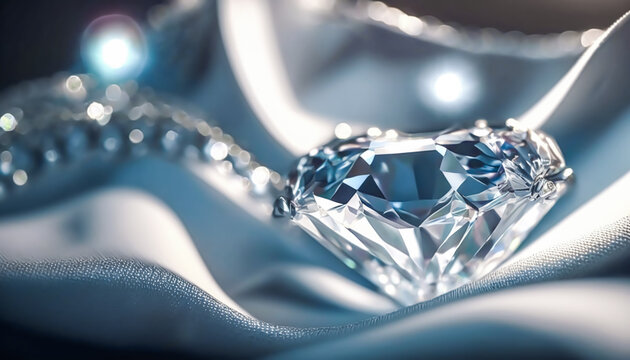
Understanding Diamonds
Diamonds have captivated hearts for centuries, often regarded as symbols of love, commitment, and status. But what exactly are they? Diamonds are formed from carbon atoms that crystallize under immense heat and pressure. While most people think of diamonds as being mined from the Earth, lab diamonds or mined are becoming increasingly popular as a stunning and ethical alternative.
What Are Lab Diamonds?
Lab diamonds, sometimes referred to as synthetic or cultured diamonds, are created in controlled environments using advanced technology. They possess the same physical, chemical, and optical properties as mined diamonds. In fact, the only way to tell them apart is through specialized testing!
What Are Mined Diamonds?
Mined diamonds are natural gems that form deep within the Earth over millions of years. These diamonds are extracted through mining operations, which can have significant environmental and ethical implications. While they hold a certain allure and tradition, mined diamonds often come with complex histories.
The Creation Process
Understanding how these two types of diamonds are created can help clarify their differences.
How Lab Diamonds Are Made
Lab diamonds can be created using two primary methods: High Pressure High Temperature (HPHT) and Chemical Vapor Deposition (CVD).
High Pressure High Temperature (HPHT)
The HPHT method simulates the natural conditions under which diamonds form. Carbon is subjected to extreme heat and pressure, resulting in the formation of diamonds in just a few weeks. This process not only creates stunning gems but can also replicate the characteristics of natural diamonds.
Chemical Vapor Deposition (CVD)
CVD involves vaporizing gases that contain carbon, which then deposit onto a substrate to form diamond crystals. This method allows for precise control over the diamond’s growth and quality, resulting in gems that are often indistinguishable from their mined counterparts.
The Formation of Mined Diamonds
Mined diamonds are formed through geological processes over millions of years. They typically form at depths of about 100 miles beneath the Earth’s surface in areas known as kimberlite pipes. These diamonds are brought to the surface through volcanic eruptions, where they are eventually extracted through mining.
Cost Comparison
When it comes to purchasing diamonds, cost is often a significant factor. Let’s explore how lab diamonds stack up against mined diamonds in terms of affordability.
Affordability of Lab Diamonds
One of the most attractive aspects of lab diamonds is their price. Typically, lab-grown diamonds are 20-40% less expensive than mined diamonds. This difference allows buyers to purchase larger stones or higher quality without the hefty price tag.
Market Trends for Mined Diamonds
While mined diamonds have a long-standing reputation, their prices can be volatile. Factors such as supply chain issues, mining regulations, and consumer preferences can all influence the market. As lab diamonds grow in popularity, this could further affect the demand and pricing of mined stones.
Ethical Considerations
Ethics play a crucial role in the decision-making process when choosing between lab and mined diamonds.
Conflict Diamonds
Conflict diamonds, also known as blood diamonds, are mined in war zones and sold to finance armed conflict. While many initiatives exist to combat this issue, concerns remain. Choosing a lab diamond ensures you’re not supporting these unethical practices.
Sustainability of Lab Diamonds
Lab diamonds are a sustainable choice. Their production has a significantly lower environmental impact compared to traditional mining, which can lead to habitat destruction and pollution. By opting for lab diamonds, you’re making a choice that’s better for the planet.
Quality and Appearance
Now, let’s talk about the sparkle! Are there any visual differences between lab and mined diamonds?
The 4Cs of Diamonds
The quality of a diamond is often judged by the 4Cs: Cut, Color, Clarity, and Carat weight.
- Cut: This refers to how well the diamond has been cut and shaped, affecting its brilliance.
- Color: Lab diamonds can range from colorless to slightly tinted. Higher-quality diamonds are colorless or near-colorless.
- Clarity: This measures the presence of inclusions or blemishes. Lab diamonds can achieve high clarity ratings, often exceeding those of mined diamonds.
- Carat Weight: The size of the diamond matters! Both lab and mined diamonds are available in a variety of sizes.
Visual Differences
In general, lab diamonds look just like mined diamonds. With the right cut and clarity, lab diamonds can be indistinguishable from their natural counterparts to the naked eye.
Certification and Grading
When investing in a diamond, certification is key to ensuring you’re getting a quality stone.
Reputable Grading Institutions
Both lab and mined diamonds should come with a grading report from recognized institutions like the Gemological Institute of America (GIA) or the International Gemological Institute (IGI). These reports provide an assessment of the diamond’s quality and characteristics.
Where to Buy Diamonds
Choosing where to buy your diamond can impact your experience significantly.
Online Retailers
Online shopping has revolutionized how we purchase diamonds. Websites like Brilliant Earth, James Allen, and Whiteflash offer extensive selections of lab diamonds with detailed information, making it easier to compare options.
Local Jewelers
Don’t forget about local jewelers! Many are beginning to stock lab diamonds and can provide a more personalized experience. Plus, you get the added benefit of viewing the diamonds in person.
Resale Value
Understanding the potential resale value of your diamond is essential for making a wise investment.
Resale Market for Lab Diamonds
Currently, lab diamonds do not have a strong resale market. However, as they gain popularity, this could change. Keep in mind that resale values for lab diamonds might be lower than those for mined diamonds.
Resale Market for Mined Diamonds
Mined diamonds tend to hold their value better, especially if they are of high quality and have an established history. However, resale values can vary based on market demand and the diamond’s characteristics.
Conclusion: Choosing the Right Diamond for You
Ultimately, the choice between lab diamonds and mined diamonds boils down to personal preference and values. Lab diamonds offer an ethical, affordable, and sustainable option, while mined diamonds carry a legacy and tradition. By weighing the pros and cons of each type, you can make a decision that aligns with your budget and beliefs. Whether you choose a dazzling lab diamond or a classic mined stone, remember: it’s not just about the diamond itself, but the love and meaning it represents. Happy diamond hunting!